
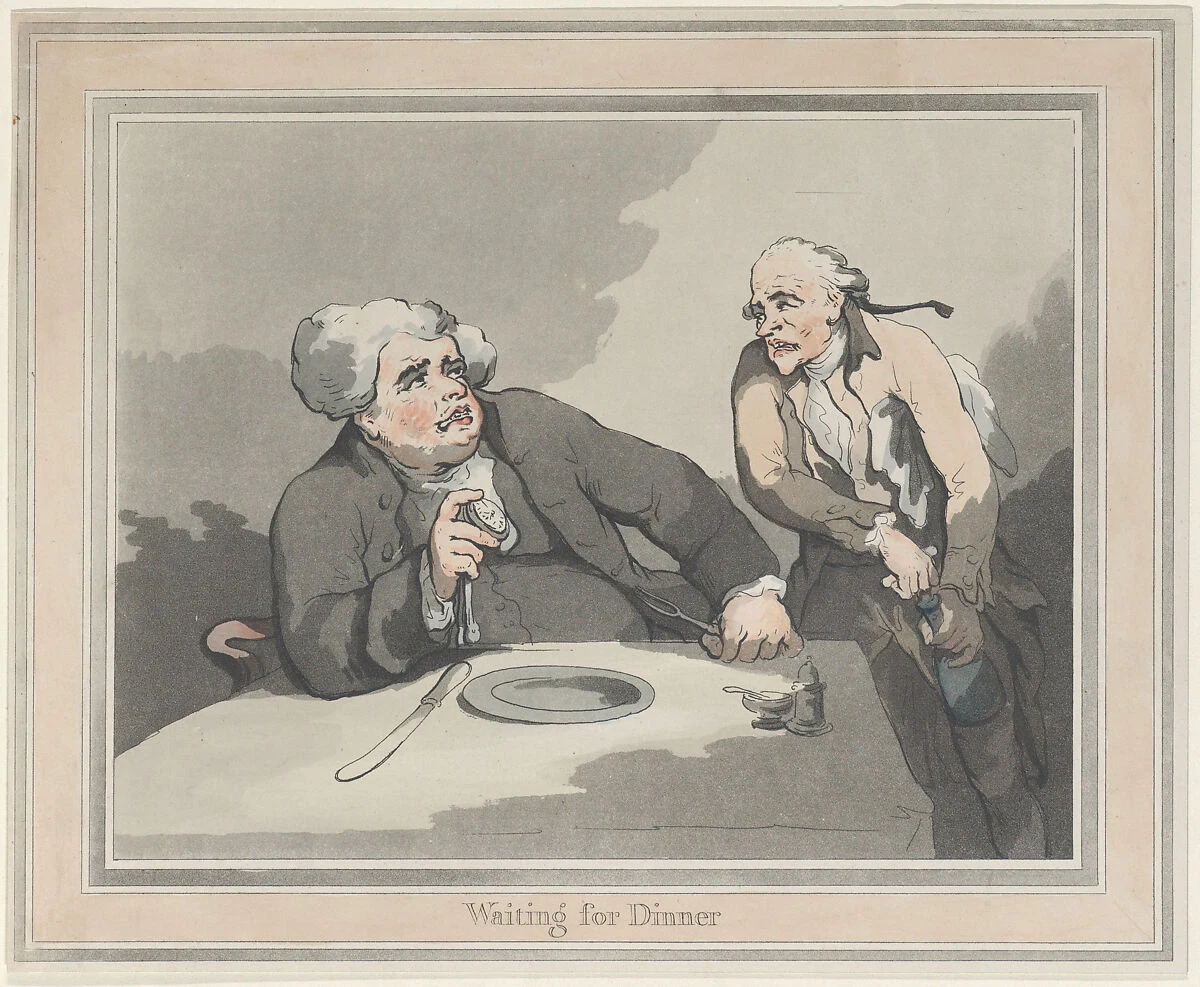
The clock measures the same interval in both cases. Our judgement of it, however, is not produced by a second and inaccurate clock in the mind. Psychological experiments distinguish at least two situations: we can track a duration while it passes, or estimate it afterwards from memory.
Two questions that sound alike
In a prospective judgement, participants know in advance that they will later be asked about duration. They can therefore attend to time. In a retrospective judgement, they learn this only afterwards. They must then infer how long the interval lasted from memory. A meta-analysis of 20 experiments showed that these judgements differ systematically. Attentional models are especially important for experienced duration, while memory-based models are needed for remembered duration.
Why waiting can stretch the present
Someone waiting for a delayed train and watching the information board has little else to process. Attention can return repeatedly to time itself. In prospective experiments, by contrast, estimated duration becomes shorter when a more demanding task occupies more cognitive resources. This does not prove that every activity shortens time. It does help explain why empty waiting can bring the minutes into the foreground, while concentrated activity can make them less noticeable.
Why the same time can grow in retrospect
In hindsight, what matters is not how often we thought about the clock. Memory uses changes, event boundaries and available contents as cues to duration. A meta-analysis of 117 experiments therefore found a striking contrast: greater cognitive load shortened prospective judgements but lengthened retrospective ones. A dense succession of different impressions can pass quickly as we experience it and later seem more substantial than an uneventful interval.
The familiar paradox is thus less contradictory than it sounds. Boredom can stretch an hour in the present and compress it in memory. An eventful day can fly by and become large in retrospect. These are not two errors of the same inner chronometer, but answers to two different questions: where was our attention directed, and what remained as change in memory?
Five minutes never become an hour in physical terms. Yet they can occupy almost all the attention available to us. The clock preserves the measure; experience determines how much of us that measured time demands.
Sources
Richard A. Block and Dan Zakay, Prospective and retrospective duration judgments: A meta-analytic review, Psychonomic Bulletin & Review 4 (1997)
Richard A. Block, Peter A. Hancock and Dan Zakay, How cognitive load affects duration judgments: A meta-analytic review, Acta Psychologica 134 (2010)
Richard A. Block and Ronald P. Gruber, Time perception, attention, and memory: A selective review, Acta Psychologica 149 (2014)