
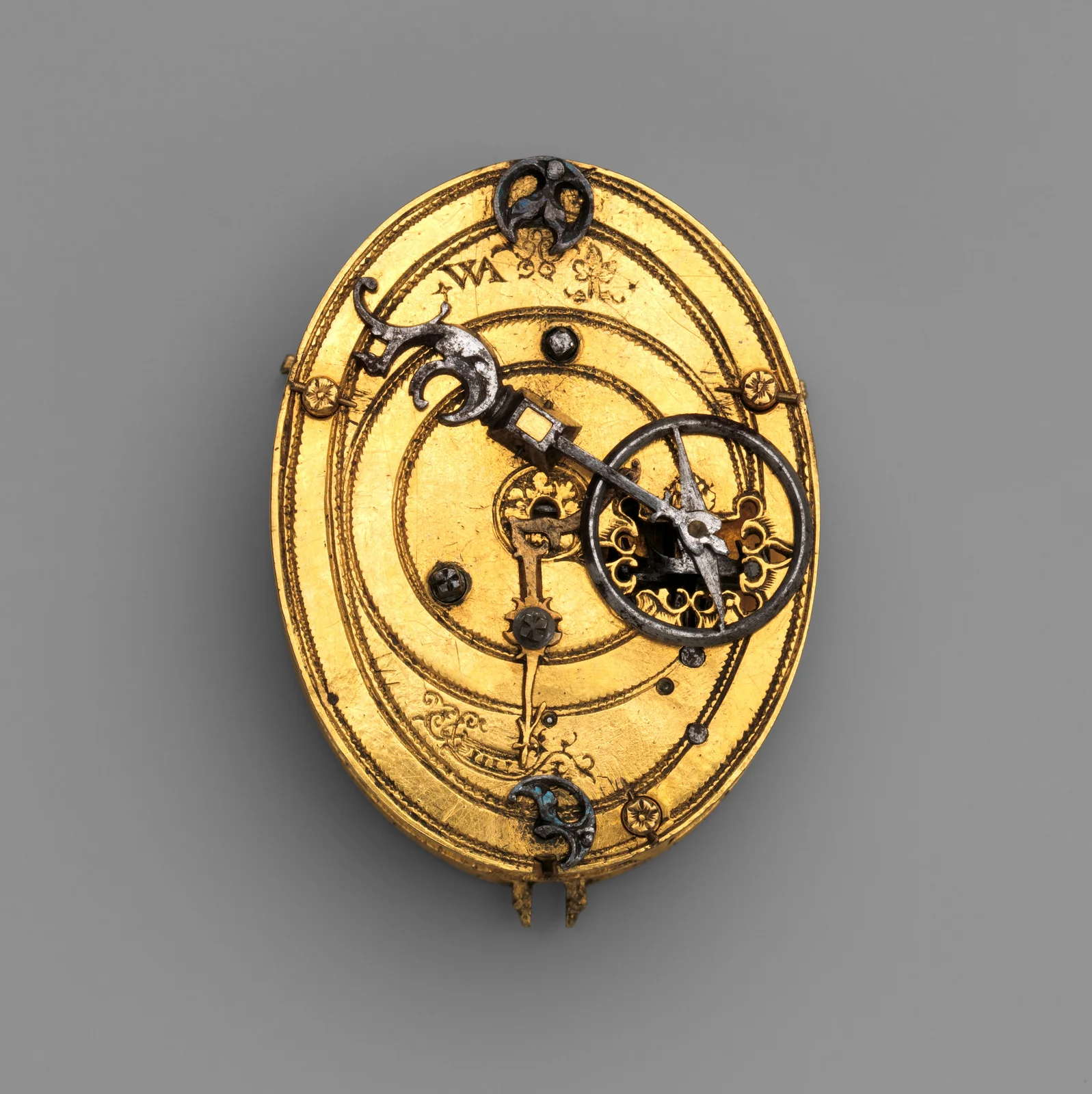
With a painting, the demand seems plausible: retain as much original paint as possible. A mechanical watch poses a more awkward question. Its movement was built to move. Motion causes wear, oil ages, pivots and bearings change. A watch can be entirely old and no longer usable. With one new part it may run again, while losing some of its material origin.
Originality is not a percentage
International museum practice distinguishes preventive conservation, stabilising treatment and restoration by their purpose. According to ICOM-CC, all are based on respect for original material. This does not produce a number above which a watch is “still original”. A later replacement may itself belong to the object's history. Conversely, a seemingly complete watch can lose more historical information through heavy polishing than through a clearly documented repair.
Nor does “patina” solve the problem automatically. The Canadian Conservation Institute distinguishes stable surfaces from active corrosion. It notes that polishing is abrasive and always removes some original surface. Wear, tarnish and old lacquer can reveal how a movement was made, used and maintained. Dirt, hardened oil or advancing rust are not worth preserving simply because they are old. Diagnosis therefore precedes treatment: which layer is evidence, and which is causing further loss?
What may restoration change?
Two values meet in a functioning historic watch: material evidence and intended use. The Institute of Conservation states the choice plainly. An owner or custodian must decide whether a timekeeper is to survive as a static or a working object. Running it may require worn parts to be repaired or replaced, even though this compromises integrity. The recommended principle is minimum intervention.
A new component needs limits if it is not to become a silent fake. The British Horological Institute asks practitioners to respect original character and record condition before work begins. A museum conservator writing for the Canadian Association of Professional Conservators recommends replacement only when operation requires it, after consultation with those responsible, using parts appropriate to the original and documenting the work fully. Removed parts should stay with the object. Repair then remains visible as the next layer of its history.
When does a watch remain itself?
Not when everything is left untouched at any price. Stopping can preserve material, but it can also surrender the machine's purpose. Nor is ticking enough. A plate polished bright, a repainted dial or an unrecorded replacement may function while destroying evidence.
The better question is this: which decision retains the greatest meaning for the chosen use? Sometimes the honest answer is that a rare watch should no longer run. Sometimes a restrained new component keeps the old movement intelligible in motion. Originality then lies not in immaculate purity, but in a verifiable relationship between inherited material, necessary intervention and disclosed responsibility.
Sources
ICOM-CC, Terminology for Conservation (2008)
Institute of Conservation, Clocks
British Horological Institute, Code of Practice
Canadian Conservation Institute, Caring for Metal Objects
Canadian Association of Professional Conservators, What to Be Aware of When Repairing Clocks? (2019)